We use some cookies to make this website work. With your permission we would also like to use cookies that help us understand how the website is used and measure our advertising. You can accept or reject these, or choose which ones to allow.
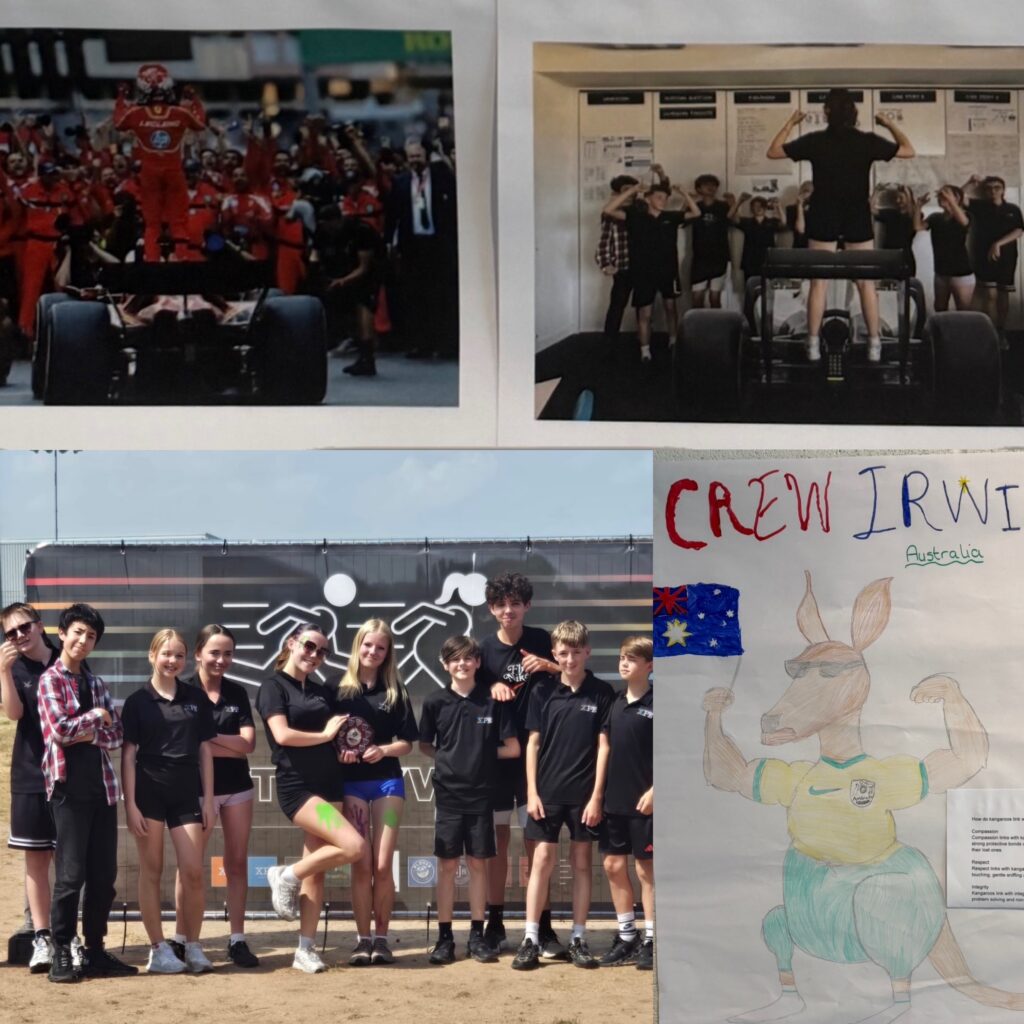
It was that time of year again where crew gets incredibly competitive! It was a really hot day but students enjoyed ice lollies and time in the air conditioning between events. We lathered on the suncream and had a great morning of rounders, dodgeball, football and athletics.
During the afternoon we completed the yearly sports day quiz, sporting photo and put together our mascot after being given Australia this year as our country (very fitting for Crew Irwin).
At the end of the day it was announced that we had won for year 8 at XP!
As part of our current expedition, 8.3: Inside the Code, our Year 8 students have been exploring the invisible systems that keep our modern world communicating. But building encrypted networks and powering communication hubs requires energy—and lots of it.
To explore how we can power our future sustainably, we were incredibly lucky last Tuesday to welcome an expert guest into the classroom: Ian Barnes, the Renewable Manager at AE Spinks.
Mr. Barnes spoke to our students about the critical realities of climate change and how we can use environmentally friendly methods to heat our homes. He gave the class a deep dive into the world of heat pumps—a technology currently revolutionising renewable energy across the UK.
Our students got some fantastic “insider facts” about the industry. Mr. Barnes explained the practical realities of his day-to-day role, including the logistics of fitting heat pumps into different types of housing—explaining exactly what makes an installation straightforward, and what makes it tricky. He also shared his overarching mission: to massively increase the number of heat pumps operating across the UK to help reduce our collective carbon footprint.
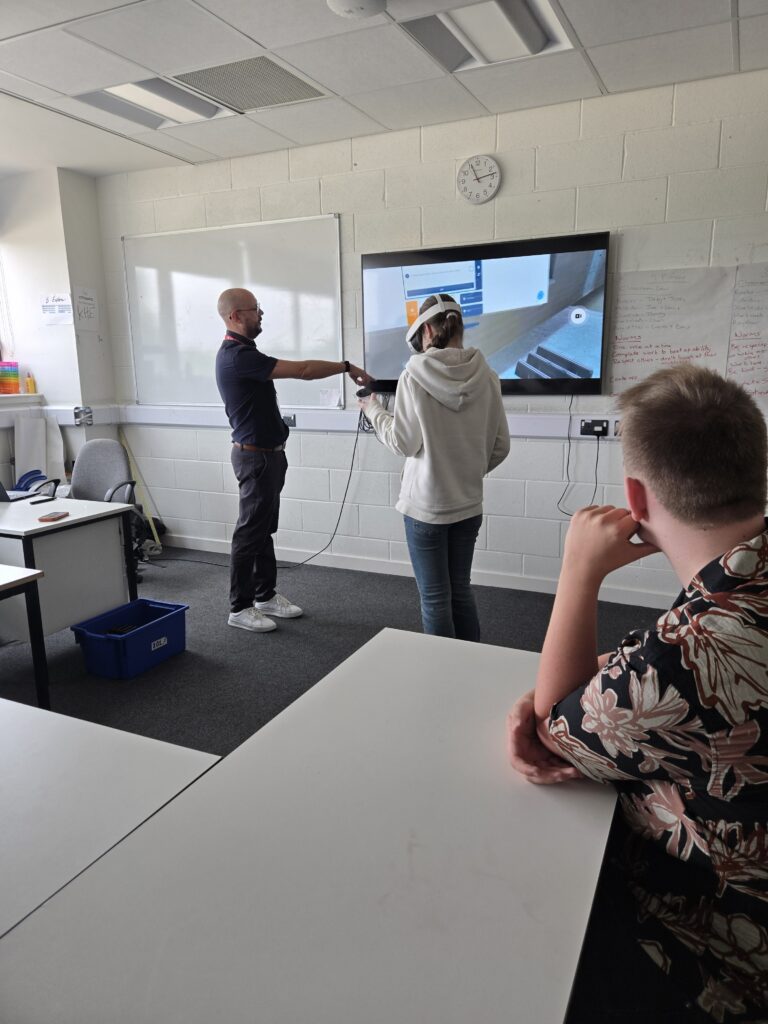
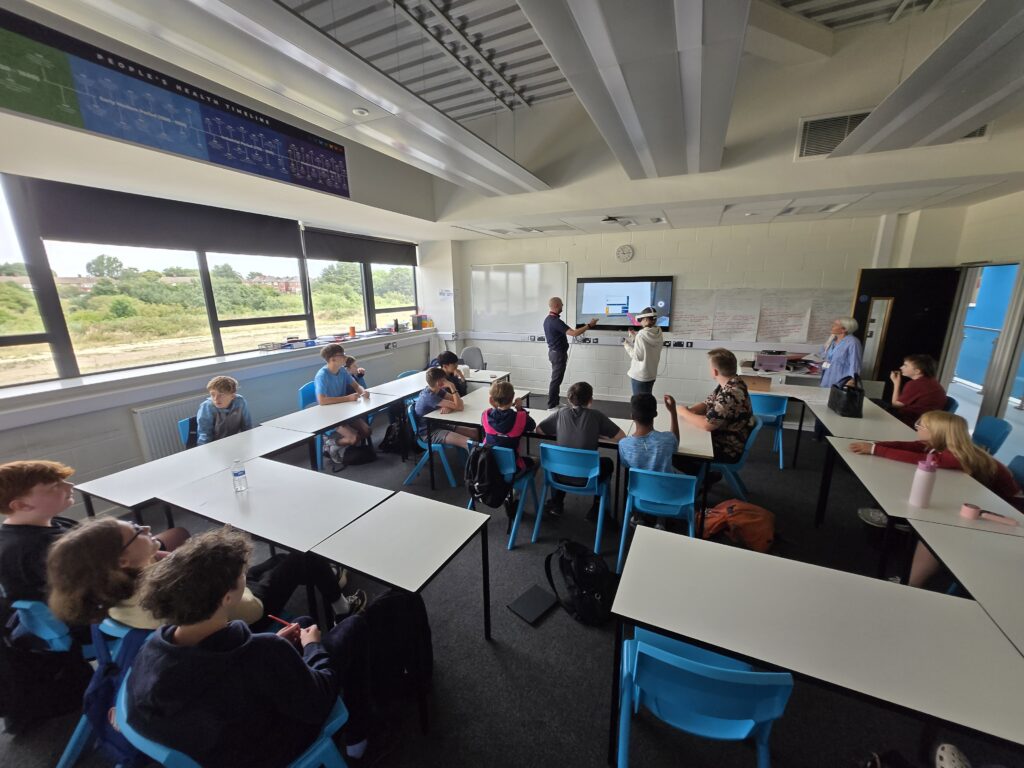
Learning about engineering is one thing, but actually doing it is another! Following the talk, the students put on VR headsets to step directly into a virtual installation site.
Taking on the role of a heat pump engineer, students had to physically navigate the virtual environment to build, wire, and install their very own heat pump systems. It was an incredible way to bring complex, invisible engineering right into the classroom, allowing students to apply their problem-solving skills in real time.
A massive thank you to Ian Barnes and AE Spinks for taking the time to visit us, sharing their expertise, and letting our students experience the future of green engineering in virtual reality!